
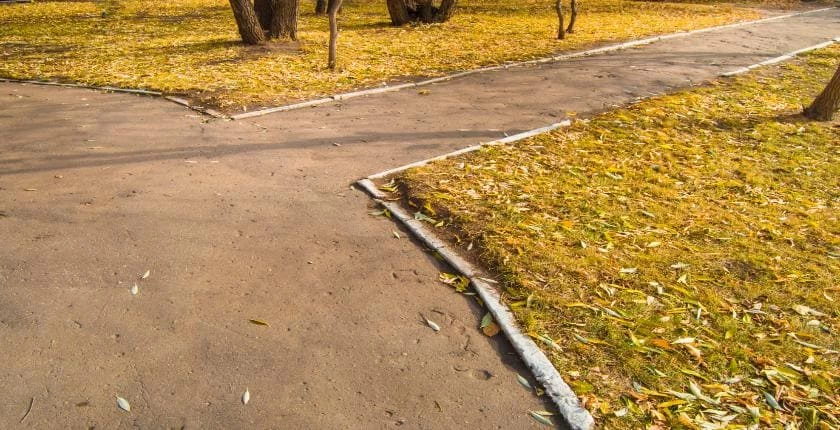
Playground Edging & Kerbing
Get in touchKettering Play Safe provides playground edging and kerbing solutions for schools, nurseries, parks and community spaces . The company installs robust perimeter systems that define play areas, retain surfacing materials and improve the long-term performance of playground surfaces across projects throughout the UK.
What Is Playground Edging & Kerbing?
Playground edging and kerbing provides secure borders that contain safety surfacing and separate play areas from surrounding landscapes. Kettering Play Safe installs edging systems that improve durability, reduce surface movement and help playground installations remain neat and functional for typically 15–25 years with appropriate maintenance.
Playground edging is commonly installed alongside wet pour rubber, bonded mulch, artificial grass, resin-bound pathways, tarmac and sports surfacing. It also creates defined transitions between play equipment, paths and landscaped areas.
What Types of Playground Edging & Kerbing Are Available?
Playground edging and kerbing is available in several materials to suit different playground layouts, budgets and surface finishes. Kettering Play Safe recommends edging systems according to ground conditions, expected footfall and the chosen surfacing material.
Precast concrete kerbs – Durable edging suitable for heavy-use playgrounds and public spaces.
Rubber safety edging – Flexible edging designed to complement impact-absorbing play surfaces.
Timber edging – A natural-looking option often used in landscaped play environments.
Steel edging – Slim-profile borders that create clean lines for pathways and landscaped areas.
Recycled plastic edging – Low-maintenance edging resistant to moisture, rot and insect damage.
When Is Playground Edging & Kerbing Needed?
Playground edging and kerbing is needed whenever surfacing requires secure containment and clearly defined boundaries. Kettering Play Safe installs edging during new playground construction, refurbishment projects and surfacing replacements to improve both appearance and long-term performance.
Edging is particularly beneficial when installing wet pour rubber, rubber mulch, artificial grass or resin systems. It also helps prevent material migration, reduces trip hazards and supports efficient drainage around play spaces.
How Does Playground Edging & Kerbing Work?
Playground edging and kerbing follows a structured installation process that creates stable and long-lasting borders. Kettering Play Safe completes projects efficiently while preparing the area for finished surfacing.
Assess the playground layout and existing ground conditions.
Mark edging lines and excavation depths.
Prepare and compact the foundation where required.
Install edging or kerbing securely using suitable fixing methods.
Backfill, level and complete the surrounding surfacing installation.
Inspect alignment and finish before project completion.
Many installations can be completed within 1–5 working days depending on the playground size and complexity.
Who Needs Playground Edging & Kerbing?
Playground edging and kerbing benefits organisations responsible for maintaining safe, attractive and durable outdoor recreation areas. Kettering Play Safe works with clients across a wide range of sectors throughout the UK.
Typical clients include:
Primary and secondary schools
Nurseries and early years settings
Local authorities
Public parks
Housing developments
Leisure facilities
Community organisations
Commercial developments
How Much Does Playground Edging & Kerbing Cost?
Playground edging and kerbing typically costs from around £20–£80 per linear metre depending on the material, installation method and site conditions. Kettering Play Safe provides project-specific quotations once the playground dimensions and specification have been assessed.
Typical cost ranges include:
Basic recycled plastic edging: from approximately £20–£35 per linear metre
Timber edging: around £30–£50 per linear metre
Concrete or heavy-duty edging: approximately £45–£80 per linear metre
Final costs depend on excavation requirements, drainage, site access, edging material, project size and integration with new surfacing.
What Are the Benefits of Playground Edging & Kerbing?
Playground edging and kerbing improves both the safety and longevity of outdoor play environments. Kettering Play Safe installs edging systems that provide structural support while enhancing the overall appearance of completed playgrounds.
Benefits include:
Helps retain safety surfacing materials
Creates clearly defined play zones
Reduces surface movement over time
Improves drainage around surfacing
Enhances the finished appearance
Supports easier maintenance
Provides durable long-term boundaries
What Regulations Apply to Playground Edging & Kerbing?
Playground edging and kerbing should complement playground designs that meet relevant British Standards. Kettering Play Safe considers the surrounding surfacing and playground layout so edging integrates appropriately with compliant installations.
Playground projects commonly reference:
BS EN 1176 for playground equipment and general safety requirements.
BS EN 1177 where impact-absorbing surfacing is required beneath play equipment.
Appropriate edging should not introduce avoidable trip hazards or interfere with required safety zones around equipment.
Playground Edging & Kerbing: Frequently Asked Questions
How much does playground edging cost?
Playground edging generally costs between £20 and £80 per linear metre depending on the chosen material, excavation requirements and overall project size. A detailed quotation confirms the final installation cost.
How long does installation take?
Most playground edging projects are completed within 1–5 working days. Larger playgrounds or projects requiring extensive groundwork and drainage preparation may take up to 2 weeks.
How long does playground edging last?
Properly installed playground edging typically lasts between 15 and 25 years, depending on the material, usage levels and maintenance. Concrete and recycled plastic edging generally offer the longest service life.
Does playground edging require maintenance?
Playground edging requires relatively little maintenance. Routine inspections every 6–12 months help identify movement, damage or loose sections, while keeping surrounding surfacing clean helps maximise performance.
Can existing playgrounds have new edging installed?
Yes. Existing playgrounds can usually receive replacement or upgraded edging during resurfacing or refurbishment projects. The installation approach depends on the condition of the current surface and foundation.
Get a Free Quote for Playground Edging & Kerbing
Kettering Play Safe provides professional playground edging and kerbing solutions for education, public and commercial projects throughout the UK, including . Request a tailored quotation based on your site's layout, surfacing requirements and project objectives.
Related Playground Edging & Kerbing Services
Well-installed edging complements playground surfacing installation, creating neat, durable boundaries around safety surfaces.
Many wetpour projects include wetpour rubber safety surfacing alongside new kerbing to provide a professional finish.
Loose-fill surfaces such as rubber mulch surfacing benefit from secure edging that helps retain materials within the play area.
Before kerbs are installed, our sub-base preparation and drainage creates stable foundations for long-term durability.
Every installation is supported by a site assessment and ground condition survey to ensure the correct edging solution is specified.
Complete outdoor play environments are often enhanced with thermoplastic playground markings, adding educational and recreational features to the finished surface.